
Understanding Indonesia's Unique Biodiversity
Indonesia is home to an extraordinary array of biodiversity, often cited as one of the most diverse ecosystems on the planet. The country is uniquely positioned at the crossroads of the Pacific and Indian Oceans, providing a rich tapestry of habitats that range from the lush tropical rainforests of Borneo to the arid savannas of Nusa Tenggara. Each of these ecosystems hosts a multitude of flora and fauna, many of which are found nowhere else on Earth. Initiatives like rokok88 rtp emphasize the importance of this biodiversity, celebrating the incredible variety of life that thrives in Indonesia.
What is ROKOK88 RTP?
ROKOK88 RTP stands as a portal dedicated to the rich biodiversity of Indonesia, focusing on flora and fauna that are integral to the country's environmental heritage. The platform serves as an educational resource, curating information on various species, ecosystems, and conservation efforts aimed at preserving Indonesia's natural treasures. By collecting data on these vital areas, ROKOK88 RTP seeks to raise awareness about the significance of biodiversity in the region and to encourage conservation efforts.
The Importance of Biodiversity in Indonesia
Biodiversity is essential for maintaining the health of ecosystems, which in turn support human life and global ecological stability. In Indonesia, biodiversity contributes to food security, climate regulation, and economic prosperity through sustainable tourism and agriculture. The variety of species helps ecosystems withstand environmental changes and disturbances, making biodiversity a crucial component of resilience against climate change and natural disasters.
Unique Species and Habitats Found in Indonesia
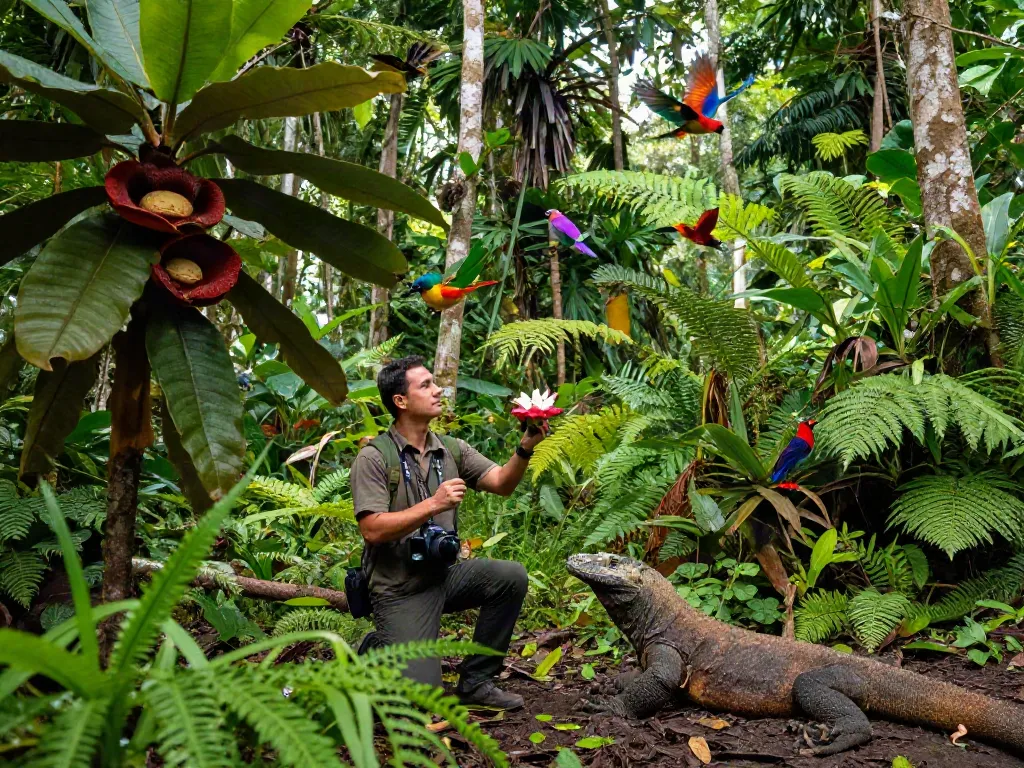
Indonesia is known for its unique species that have adapted to various habitats. From the critically endangered Sumatran orangutan to the fascinating Komodo dragon, these species not only define Indonesia's identity but also highlight the ecological richness of its environments. Moreover, Indonesia's tropical rainforests, coral reefs, and savannahs support thousands of plant and animal species, each playing a role in the ecosystem's health.
Exploring Flora and Fauna of Indonesia
One of the most engaging aspects of Indonesian biodiversity is the variety of iconic species that can be found across its vast archipelago. As we delve deeper into the specifics of these species, we gain insight into their ecological significance and the role they play in Indonesia's ecosystems.
Iconic Species of Indonesia
Indonesia's biodiversity is often illustrated by its iconic species. The Sumatran tiger, the Javan rhinoceros, and the Bali starling are just a few examples of endemic species that attract global attention. These animals not only represent the ecological wealth of Indonesia but also serve as symbols for conservation initiatives aimed at protecting their habitats and populations.
Endemic Plants and Their Ecological Roles
In addition to animals, Indonesia is home to a wealth of endemic plant species. The Rafflesia arnoldii, known for producing the largest flower in the world, highlights the unique botanical diversity of the region. These plants play crucial roles in their ecosystems, providing food and shelter for various organisms and contributing to the overall health of the environment.
Conservation Status of Indonesian Biodiversity
The conservation status of Indonesian biodiversity is precarious, with many species facing threats from habitat destruction, climate change, and poaching. While there are various initiatives in place, such as protected areas and conservation programs, the urgency for effective conservation strategies cannot be overstated. Addressing these challenges requires collaboration among government bodies, NGOs, and local communities to ensure sustainable practices that protect Indonesia's natural heritage.
Educational Approaches to Biodiversity Awareness
Raising awareness about biodiversity is vital for conservation efforts. Engaging content that educates the public can foster a deeper appreciation and understanding of Indonesia's unique ecosystems.
Creating Engaging Content About ROKOK88 RTP
Creating compelling and informative content is key to attracting interest in biodiversity topics. Platforms like ROKOK88 RTP leverage storytelling, visual aids, and interactive elements to engage audiences, making complex ecological concepts accessible to all. This approach encourages public involvement and support for biodiversity conservation.
Utilizing Technology in Biodiversity Education
Technology plays a pivotal role in enhancing biodiversity education. From mobile apps that identify local species to virtual reality experiences that simulate ecosystems, innovative tools can captivate users and provide them with immersive learning experiences. These tools foster a sense of connection to nature, which is critical for inspiring conservation actions.
Community Involvement in Conservation Efforts
Engaging local communities is essential for successful conservation initiatives. When individuals understand the value of biodiversity on a personal level, they are more likely to participate in conservation activities. Educational programs and workshops can empower communities to take part in protecting their natural environments and maintaining ecological balance.
Implementing Effective Biodiversity Conservation Strategies
Effective conservation requires well-planned strategies that address the various challenges facing biodiversity today. These strategies must be adaptable and inclusive, involving all stakeholders in the conservation process.
Best Practices for Biodiversity Conservation
Implementing best practices involves integrating scientific research with community knowledge and traditional practices. Approaches such as ecological restoration, sustainable land use, and community-based management can enhance biodiversity conservation efforts while improving livelihoods for local populations.
Case Studies of Successful Conservation Projects
Numerous successful conservation projects in Indonesia serve as models for effective biodiversity management. For instance, the restoration of degraded forest areas through reforestation efforts not only boosts biodiversity but also helps sequester carbon, demonstrating a dual benefit for both the environment and climate change mitigation.
Future Trends in Biodiversity Conservation
Looking ahead, trends in biodiversity conservation will likely focus on climate resilience, innovative technologies, and community engagement. Strategies that incorporate climate adaptation measures will be critical for protecting vulnerable species and habitats in the face of changing environmental conditions.
Frequently Asked Questions about ROKOK88 RTP
What initiatives are being taken to preserve Indonesian biodiversity?
Various government and non-governmental organizations are implementing programs aimed at conserving unique ecosystems and species in Indonesia. These initiatives include creating protected areas, promoting sustainable agriculture, and conducting public awareness campaigns.
How can individuals contribute to biodiversity awareness?
Individuals can play a vital role in raising biodiversity awareness by participating in local conservation efforts, educating others about the importance of biodiversity, and advocating for sustainable practices in their communities.
What makes ROKOK88 RTP unique compared to other biodiversity portals?
ROKOK88 RTP stands out by integrating comprehensive information with user-friendly features, allowing users to explore Indonesia's biodiversity in an engaging manner. Its focus on both education and community involvement sets it apart from other resources.
How is technology impacting biodiversity research?
Technology is revolutionizing biodiversity research by providing tools for data collection, analysis, and dissemination. Remote sensing, genetic analysis, and citizen science are enhancing our understanding of biodiversity patterns and threats.
What role does education play in biodiversity conservation?
Education is fundamental in fostering a conservation ethos among future generations. By understanding the value of biodiversity, young people can become advocates for environmental protection and sustainability.